
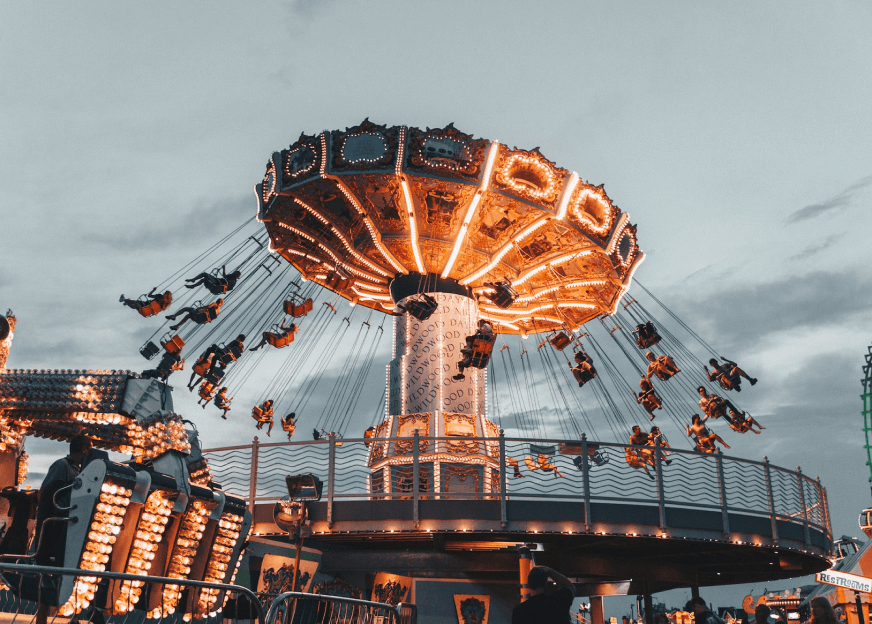

- Colorful festivals and bon rush create unforgettable summer moments for everyone
- The Allure of Outdoor Music Festivals
- The Economic Impact of Festivals
- Spontaneous Gatherings and Street Performances
- The Role of Public Spaces in Fostering Community
- Traditional Celebrations and Cultural Heritage
- The Preservation of Intangible Cultural Heritage
- The Role of Bonfires and Communal Fires
- Beyond the Season: Extending the Joyful Spirit
Colorful festivals and bon rush create unforgettable summer moments for everyone
bon rush. Summer is a time of vibrant energy, long days, and a desire for celebration. Across the globe, countless festivals mark the season, each offering a unique glimpse into local culture and traditions. Among these, the phenomenon of the
These spontaneous gatherings, often occurring around bonfires or in public spaces, aren’t about meticulously planned events, but rather the contagious energy of people embracing the warmth of the season and the company of others. The origins of such celebrations are deeply rooted in ancient customs, often linked to solstices, harvests, or simply the appreciation of light during periods of darkness. This impulse towards collective joy continues to resonate today, manifesting in countless forms, often fueled by a desire to disconnect from the everyday and connect with those around us. The feeling of shared experience, the laughter, and the music are what truly define these unforgettable summer moments.
The Allure of Outdoor Music Festivals
One of the most prevalent forms of summertime celebration revolves around outdoor music festivals. These events, ranging from small, intimate gatherings to massive, multi-day spectacles, attract audiences from all walks of life, united by their love of music and the vibrant atmosphere. The appeal is multifaceted; it’s not just about the artists performing, but the entire experience – the freedom of being outdoors, the sense of camaraderie, and the opportunity to discover new music and connect with like-minded individuals. Modern music festivals have evolved significantly, often incorporating art installations, food vendors offering diverse cuisines, and interactive experiences designed to enhance the overall sensory immersion. They've become cultural hubs, drawing attendees from far and wide, boosting local economies, and fostering a sense of community.
The Economic Impact of Festivals
The economic benefits of music festivals are substantial. Beyond the direct revenue generated from ticket sales, they stimulate local businesses, including hotels, restaurants, transportation services, and retail outlets. This influx of visitors provides a significant boost to the local economy, creating employment opportunities and contributing to tax revenues. Local artisans and craftspeople also benefit from the increased exposure and sales opportunities. Furthermore, the positive media coverage generated by successful festivals often attracts further investment and tourism. Cities actively compete to host these events, recognizing their potential to enhance their image and attract a vibrant cultural scene.
| Festival Type | Average Attendance | Estimated Economic Impact (per event) |
|---|---|---|
| Small Local Festival | 500 – 2,000 | $50,000 – $200,000 |
| Mid-Sized Regional Festival | 2,000 – 10,000 | $200,000 – $1,000,000 |
| Large National Festival | 10,000 – 50,000+ | $1,000,000 – $10,000,000+ |
The table above showcases the wide range of economic impact that festivals can have, demonstrating their significance beyond just entertainment value. Effective planning and management are crucial to maximizing these benefits and minimizing any potential disruptions to local communities.
Spontaneous Gatherings and Street Performances
While large-scale festivals offer a curated experience, the true heart of summer celebrations often lies in the unplanned, spontaneous gatherings that erupt in public spaces. Street performers, buskers, and impromptu jam sessions can transform ordinary city streets into vibrant hubs of activity. These events are characterized by their accessibility and inclusivity; anyone can participate or simply enjoy the spectacle. The energy is raw and authentic, fueled by the passion of the performers and the enthusiasm of the audience. These ad-hoc celebrations often showcase local talent and provide a platform for emerging artists to gain exposure. They also foster a strong sense of community, bringing people together in unexpected and delightful ways. The joy isn’t in the scale, but in the serendipity of the moment.
The Role of Public Spaces in Fostering Community
The availability and design of public spaces are crucial in facilitating these spontaneous gatherings. Parks, plazas, and pedestrianized streets provide the physical infrastructure for people to come together and interact. Features such as outdoor seating, shaded areas, and accessible stages can encourage performances and social interaction. Furthermore, local regulations and policies that support street performers and public gatherings can help to foster a vibrant cultural scene. A welcoming and inclusive public realm is essential for creating a sense of belonging and fostering strong community bonds. Thoughtful urban planning that prioritizes pedestrian access and vibrant public spaces is a key ingredient in creating a city that truly comes alive in the summertime.
- Accessible public spaces encourage social interaction
- Supportive regulations for street performers foster creativity
- Thoughtful urban design enhances the overall experience
- Community events build stronger emotional connections
- Public art installations add vibrancy and visual appeal
These elements contribute to a dynamic public life that defines the best of summertime in urban environments. It’s about creating spaces where people want to be, and where spontaneous joy can flourish.
Traditional Celebrations and Cultural Heritage
Many summer celebrations are deeply rooted in cultural traditions, dating back centuries. These events often commemorate historical events, religious festivals, or seasonal changes. They serve as a vital link to the past, preserving cultural heritage and transmitting values from one generation to the next. Traditional costumes, music, dance, and cuisine play a central role in these celebrations, providing a sensory immersion in local culture. These events can also serve as a point of pride for local communities, strengthening their identity and fostering a sense of belonging. Increasingly, these traditional celebrations are attracting visitors from around the world, contributing to cultural exchange and promoting understanding between different communities.
The Preservation of Intangible Cultural Heritage
The preservation of intangible cultural heritage – such as traditional music, dance, and storytelling – is crucial for maintaining cultural diversity and ensuring that these traditions continue to thrive. Organizations like UNESCO play a vital role in identifying and protecting intangible cultural heritage around the world. However, preservation efforts also require the active participation of local communities, who are the custodians of these traditions. Supporting local artists, promoting cultural education, and encouraging the transmission of traditional knowledge are all essential steps in ensuring the long-term survival of these valuable cultural assets. Documenting these traditions through recordings, photographs, and written accounts can also help to safeguard them for future generations. The preservation of these oral and performance-based traditions is paramount.
- Document traditional practices through recordings and archives.
- Support local artists and cultural organizations.
- Promote cultural education in schools and communities.
- Encourage intergenerational transmission of knowledge.
- Organize events that showcase traditional arts and crafts.
These efforts contribute to a more vibrant and culturally rich world, where the unique traditions of each community are valued and celebrated.
The Role of Bonfires and Communal Fires
Throughout history, fire has held a symbolic significance for humanity, representing warmth, light, and a sense of community. Bonfires, in particular, have long been central to summer celebrations in many cultures. The act of gathering around a fire creates a unique atmosphere of intimacy and connection, fostering a sense of shared experience. The flickering flames provide a mesmerizing focal point, encouraging conversation, storytelling, and shared reflection. Historically, bonfires were often associated with rituals aimed at warding off evil spirits, celebrating the harvest, or marking the changing of the seasons. Today, while the symbolic meanings may have evolved, the communal aspect of bonfires remains as powerful as ever. The warmth of the fire and the company of others create a magical atmosphere that embodies the spirit of summer.
Beyond the Season: Extending the Joyful Spirit
The energy and sense of community fostered during summer festivals and spontaneous gatherings shouldn’t be confined to just a few months of the year. The principles of inclusivity, shared experience, and celebration can – and should – be integrated into everyday life. Communities can actively cultivate opportunities for social interaction through year-round events, public art projects, and the creation of welcoming public spaces. Supporting local arts and culture, volunteering in the community, and simply making an effort to connect with neighbors are all ways to extend the joyful spirit of summer. The aim is to create a culture of celebration and belonging that transcends seasonal boundaries. This can manifest in diverse forms, from neighborhood block parties to collaborative art projects, all fostering a stronger sense of connection and shared identity.
Consider the example of Medellin, Colombia, a city that transformed itself through strategic investments in public spaces and social programs. By prioritizing accessibility, community engagement, and cultural initiatives, Medellin successfully fostered a sense of belonging and dramatically reduced crime rates. The city’s commitment to creating a vibrant and inclusive public life serves as a powerful example of how the principles of summertime celebration can be applied year-round to improve the quality of life for all residents. It highlights the importance of intentionality in building a thriving and connected community, demonstrating that positive change is possible through strategic planning and a shared vision.